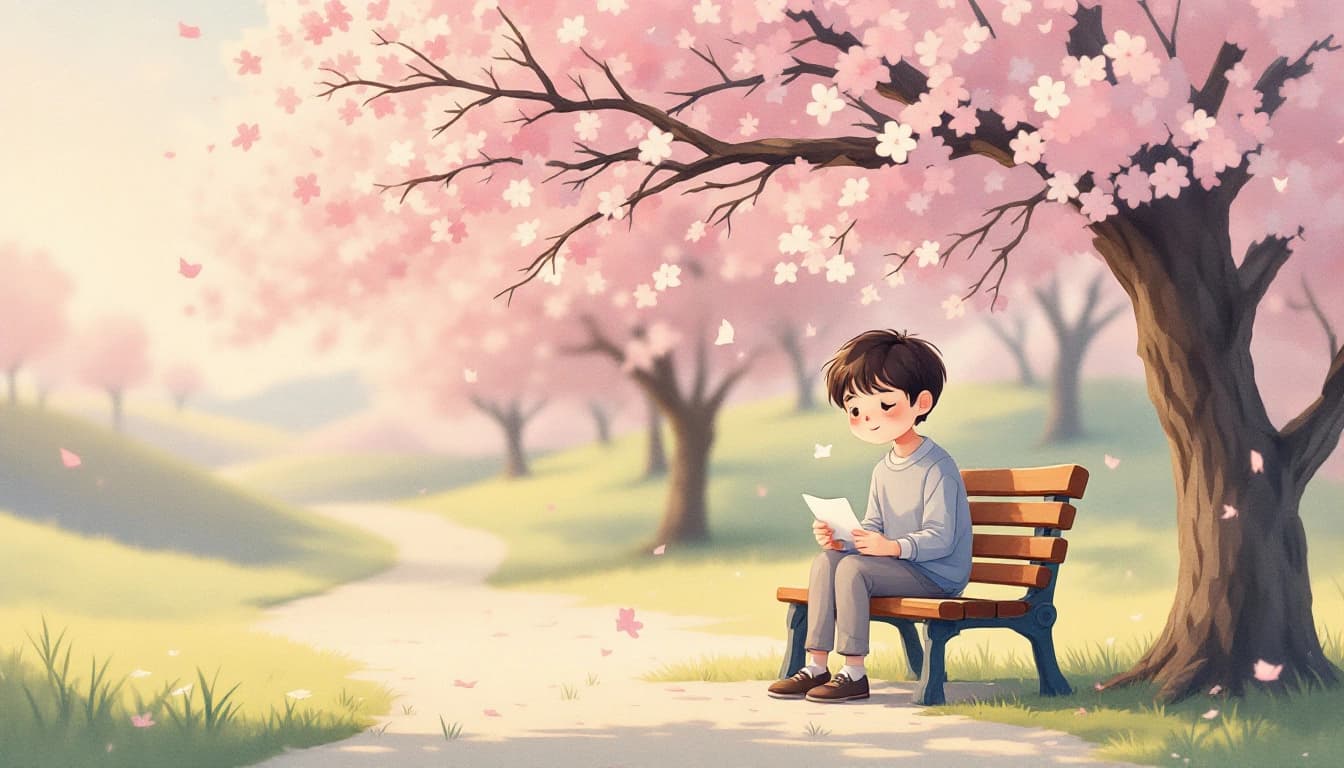
The Unreturned Heart: Understanding Unrequited Love
TL;DR:
- This page defines unrequited love as deep affection that isn't reciprocated.
- It explains when writing about these feelings can be a helpful, cathartic exercise.
- You'll learn the key components to include if you choose to express these emotions.
- It clarifies the purpose is often for personal clarity, not necessarily to change the other person's mind.
- A short FAQ addresses common questions about navigating this experience.
Unrequited love is a powerful and often painful emotional experience. It touches on deep feelings of affection, longing, and vulnerability when those feelings are not returned. Understanding this concept can be the first step toward processing your emotions, whether you choose to keep them private or express them in some form.
What It Means
Unrequited love is a one-sided romantic affection or deep longing for someone who does not feel the same way. The core of the definition lies in the imbalance: one person invests emotional energy, hope, and care, while the other does not reciprocate those specific romantic feelings.
Its purpose, especially in the context of writing, is to give a name and structure to a complex emotional state. Defining it helps you separate the fantasy of what you hope for from the reality of the situation. A letter focused on unrequited love isn't about crafting a perfect argument to win someone over; it's about honestly confronting your own heart.
When to Use It
Writing about unrequited love is most appropriate as a tool for personal reflection and emotional release. It's useful when you need clarity for yourself, to sort through a tangle of hopes and disappointments. The act of writing can help you understand the depth of your feelings and begin the process of moving forward.
Key constraints to remember: this is primarily for you. While you might eventually share such writing, the primary goal is self-understanding, not persuasion. It's also helpful when you feel "stuck" in your feelings, as putting them on paper can make them feel more manageable and less overwhelming.
What to Include
If you decide to write, focus on components that serve your need for honesty and closure. Start by simply describing the feeling itself—the ache, the hope, the quiet admiration. Include specific moments or qualities you admire in the person; this grounds your feelings in reality, not just an ideal.
Acknowledge the one-sided nature of the situation. This isn't about blame, but about stating the truth as you see it. You might also include what this experience has taught you about your own capacity to care, even if it's painful. Finally, consider writing a note to yourself about your worth and your path forward, separate from this person's validation.
Short FAQ
Is unrequited love a real form of love? Yes, the feelings are real and valid for the person experiencing them. The love exists in the feeling itself, even if it isn't mutual.
Should I always tell the person I have feelings for? Not necessarily. The decision depends on your relationship, the potential impact, and your goal. Sometimes, writing the letter for yourself alone is the healthiest choice.
How do I get over unrequited love? Writing can be a first step. Acknowledge your feelings, then gradually redirect your energy toward your own life, interests, and connections that are reciprocal.
Can a letter change someone's mind? Rarely, and that should not be the primary goal. A heartfelt letter might provide clarity for both parties, but it cannot create attraction where none exists.
Is it normal to feel this way? Absolutely. Unrequited love is a nearly universal human experience, a testament to our ability to hope and care deeply, even without guarantee.